
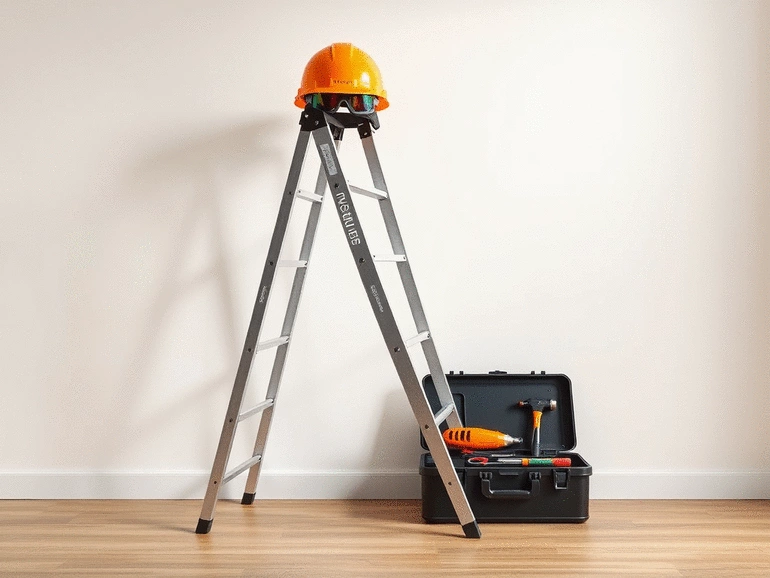
Ladder safety is often overlooked, yet it can be the difference between a successful DIY project and a serious accident. Did you know that approximately 500,000 people visit the emergency room each year due to ladder-related injuries? It's time to prioritize safety in your home improvement endeavors!
Approximately half a million people visit the emergency room each year due to ladder-related injuries, with a significant portion occurring during home DIY projects. This visual highlights these key statistics and the importance of safety.
People visit the emergency room due to ladder-related injuries annually.
Of ladder accidents occur at home during DIY projects, highlighting specific risks for homeowners.
Adhering to these guidelines is crucial for preventing accidents.
Could have been prevented with proper safety measures and adherence to protocols.
Ladder safety is crucial for anyone looking to tackle home improvement projects. It's easy to overlook, but accidents can occur in an instant! Taking the time to understand and prioritize ladder safety can save you from serious injuries and even fatal accidents. As someone who has worked on a variety of home projects, I can tell you that respecting ladder safety not only protects you but also ensures that your DIY dreams don't turn into nightmares!
It's vital to remember that many accidents happen simply because proper safety precautions weren't followed. So, before you climb that ladder, pause and assess the situation. Are you aware of the risks involved? Trust me, it’s always better to be safe than sorry!
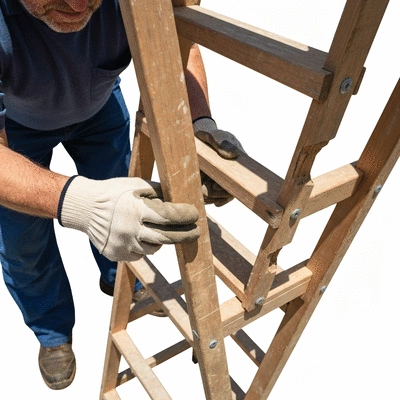
When you’re up on a ladder, you’re not just juggling paint cans and tools; you’re also navigating potential hazards. Ladder safety matters because it serves as a critical line of defense against falls and injuries. The truth is, many DIY homeowners underestimate the risks associated with using ladders. Understanding these risks can empower you to take proactive measures that keep you and your loved ones safe!
By making ladder safety a priority, you can dramatically reduce the chances of accidents and enjoy your home projects with peace of mind. Remember, a little caution goes a long way!
Did you know that approximately 500,000 people visit the emergency room each year due to ladder-related injuries? That’s a staggering number! Most of these injuries are due to falls that could have been prevented with proper safety measures.
Statistics indicate that around 35% of these accidents occur at home during DIY projects. This underscores the importance of being aware of ladder safety protocols, especially for DIY enthusiasts like us. Understanding these numbers can help you appreciate the potential dangers and motivate you to take the right precautions.
One way to ensure your safety is to familiarize yourself with ladder safety regulations set by organizations like OSHA (Occupational Safety and Health Administration) and ANSI (American National Standards Institute). These guidelines provide essential standards for ladder usage that every homeowner should be aware of.
For instance, OSHA's guidance on safe ladder use offers detailed information on general ladder safety. Additionally, OSHA provides specific guidelines for choosing and using the right ladder for your task. Furthermore, you can review OSHA's comprehensive ladder safety standards under 1926.1053 to understand the regulatory framework. Adhering to these regulations is not just about compliance; it's about safeguarding your well-being.
By adhering to these regulations, you not only enhance your safety but also set a good example for those around you. Always remember: knowledge is power when it comes to preventing accidents!
Before starting any home improvement project that requires a ladder, consider practicing your ladder setup and climbing technique. Familiarizing yourself with your ladder and ensuring you know how to secure it properly can prevent accidents and instill confidence in your ability to work safely.
As we wrap up our discussion on ladder safety, it's important to have a reliable safety checklist at your disposal. This checklist will serve as a handy tool to ensure that you're prepared before climbing up to tackle those home improvement projects. Here’s a concise list of essential items to include:

Feel free to download our complete ladder safety checklist from Home Remodeling Insights and keep it handy whenever you take on a new project. With these precautions, you can focus more on your project and less on potential hazards!
When it comes to ladder safety, understanding the legal liabilities associated with accidents is crucial. If an accident occurs, homeowners can face significant legal repercussions, especially if someone is injured. It’s wise to familiarize yourself with the laws governing your area, as they can differ from state to state.
By staying informed about these legal aspects, you not only protect yourself but also ensure that you're taking responsible steps when it comes to home improvement projects.
Approximately 500,000 people visit the emergency room annually due2 to ladder-related injuries.
Around 35% of ladder accidents happen at home during DIY projects.
OSHA (Occupational Safety and Health Administration) regulations cover the proper construction, inspection, and maintenance of ladders. ANSI (American National Standards Institute) standards focus on the design and manufacturing of ladders to ensure they meet safety requirements.
A safety checklist should include inspecting for damage, ensuring stable ground, checking weight limits, using safety accessories, wearing appropriate footwear, and keeping the work area clear.
Homeowners can face significant legal repercussions if an accident occurs on their property, especially if someone is injured. It's important to understand local laws and ensure homeowner's insurance covers such incidents.
I’d love to hear from you! Have you ever had a close call while using a ladder? Or maybe you have some safety tips that have worked wonders for you? Please share your experiences and insights in the comments below. Your stories can help others be more aware and prepared during their projects!
For those eager to enhance their ladder safety knowledge, I invite you to check out our downloadable resources. We’ve put together a comprehensive PDF of the ladder safety checklist and links to the latest OSHA standards and guidelines. Accessing these resources will empower you to make informed decisions on safety while working on your home.
Lastly, if you're interested in a deeper dive into ladder safety, consider enrolling in local training programs or workshops. Many communities offer sessions that cover the ins and outs of ladder safety. Not only will this boost your confidence, but it will also equip you with practical skills that can benefit your DIY projects. Check out what’s available in your area, and don’t hesitate to invest in your safety!
Here is a quick recap of the important points discussed in the article: